Download Food Fight: GMOs and the Future of the American Diet - McKay Jenkins file in PDF
Related searches:
Food Fight: GMOs and the Future of the American Diet: Jenkins
Amazon.com: Food Fight: GMOs and the Future of the American
Food Fight: GMOs and the Future of the American Diet by McKay
Food Fight: GMOs and the Future of the American Diet by Mckay
Food Fight: GMOs and the Future of the American Diet - McKay
Nonfiction Book Review: Food Fight: GMOs and the Future of
Food Fight: GMOs and the Future of the American Diet McKay
Food Fight : GMOs and the Future of the American Diet (2018
Food Fight : GMOs and the Future of the American Diet by
Food Fight: Researching and Debating the Future of G.M.O.'s
Food Fight: GMOS and the Future of the American Diet - with
Food Fight: GMOs and the Future of the American Diet eBook
Food Fight: Researching and Debating the Future of G.M.O.'s - The
Food Fight: GMOs and the Future of the American Diet 10 CPEU
Food Fight - GMOs and the Future of the American Diet (Audiobook)
FOOD FIGHT GMOs and the Future of the American Diet
Food fight: The pros and cons of genetically modified food
Listen Free to Food Fight: GMOs and the Future of the
Food Fight Gmos And The Future Of The American Diet PDF
Modified: GMOs and the Threat to Our Food, Our Land, Our Future
Weighing the GMO arguments: for - Food and Agriculture
Food Fight: GMOs and the Future of the American Diet - scribd.com
Food Fight: The Debate over GMOs and Food Labeling Harvard
[zn3.eBook] Food Fight: GMOs and the Future of the American
GMO labels: The great American food fight - CSMonitor.com
GMOs Don't Feed the World Green America
Signal to Noise Special Edition: GMOs and Our Food - Science in
McKay Jenkins *96 Crosses the Battle Lines of the GMO Debate
GMOs: Pros and Cons, Backed by Evidence
The labeling debate in the United States
One Hawaiian Island Is Losing the GMO Fight Outside Online
GMO Facts – The Non-GMO Project
Are GMOs the key to global food security? Devex
We're Asking The Wrong Questions About GMOs HuffPost
Why the future of gene-edited foods is in the balance
We're Asking the Wrong Questions About GMOs The Land Institute
GMOs and Food Safety Science of GMOs
How A Decade Of GMO Controversy Changed The Dialogue About Food
We’re having the wrong argument about GMOs - Washington Post
Bioethical reflection on the use of GMOs MAHB
How Genetically Modified Food (GMOs) Can Feed the World
Food Fight: the future of biotech farming The Molokai Dispatch
Both sides of the GMO food fight are fighting for the same
The GMO movement gets a lot wrong. A case study of golden
The Impact of GMOs on Modern Agriculture GMO Answers
Rosmann argues that gmo companies are not being honest about food shortages, and he believes the church should take an active role in repudiating these claims. “there could be ample food for all peoples now and for the future if we took an integrated and honest approach to food security,” he says.
Food fight is a well-written, exceptionally balanced coverage of gmos and their controversial place in the global diet. And it is much more, raising complex issues and challenging questions about the status and future of our entire agricultural system.
This audiobook reveals how corporate giants with limited government oversight have made our food system dependent on two genetically engineered crops--corn and soybeans--which are now present in almost all processed foods. It also highlights the successes and failures of modified plants worldwide.
Food fight gmos and the future of the american diet dec 27, 2020 posted by ian fleming media publishing text id f511f6c4 online pdf ebook epub library american diet advocates hail them as the future of food an enhanced method of crop breeding that can help feed an ever increasing global population and adapt to a rapidly.
Gmos, short for genetically modified organisms, are subject to a lot of controversy. Department of agriculture (usda), gmo seeds are used to plant over 90% of all maize.
Food fight over gmos by some estimates, 80 percent of all processed foods - cereals, baby formula, canned soups and more - contain at least one genetically-modified organism.
Food fight: gmos and the future of the american diet user review - publishers weekly. Jenkins (contamination), a professor of english, journalism, and environmental humanities at the university of delaware, outlines many of the arguments for and against genetically modified organisms read full review.
The food fight: controversies in food labeling there is, however, a debate amongst gmo supporters about whether gmo foods should be labeled. Some supporters believe gmo food labels are costly and unnecessary� while others advocate for transparency by using labels.
A disquieting and meditative look at the issue that started the biggest food fight of our time--gmos. From a journalist and mother who learned that genetically modified corn was the culprit behind what was making her and her child sick, a must-read book for anyone trying to parse the incendiary discussion about genetically modified foods.
The fight over the labeling of genetically engineered food is heating up on capitol hill, as safety advocates mount a campaign to beat back industry-backed legislation that would leave the nation.
Agriculture, including livestock and forestry, accounts for 24 percent of human-generated greenhouse.
Sixty-four countries around the world, including australia, japan, and all of the countries in the european union, require genetically modified foods to be labeled�.
This article is essentially a review of mckay jenkins’ book, food fight: gmos and the future of the american diet, including an interview. Jenkins is a participant in the ecospheric studies project formed by president emeritus wes jackson.
Doug peterson, head of the minnesota farmers union, said his organization supports ge labeling on a federal level, though not state-by-state.
On either side of the gmo fight, you find combatants in fierce agreement about the right of all people to affordable nutritious food, protection of the environment and giving poor farmers a viable.
The drivers of the gm food revolution cost, profit, and crop yield are the driving factors behind gmos. The first gmo food, the flavr-savr tomato, reduced the cost to produce canned tomato products by about 20%, while numerous studies demonstrated the economic benefit for farmers who plant gmo crops.
In the future, gmos could be used to produce higher nutritional foods, this would reduce industrial processes and lower the use of certain additives and polymers. And, research is being done to create plant species that would be able to synthesize individual medical substances.
I wrote my own book about gmos, safe food: the politics of food safety (revised and expanded edition, 2010). Its first chapter and second half of the book are about the topic. Many other books have written about gmos, but i thought this one was good enough to blurb:.
Afraid of us gmo food, agressive monsanto gmo lobbying, weaken european standards (in most countries gmo food is not allowed). The comments on this arcticle partly restored my believe in americans as a intellligent, well educated people, able to think by themselves, beyond rebublican hawks and monsanto.
In his new book, “food fight: gmos and the future of the american diet,” jenkins makes the case that it’s not gmos we should single out for criticism — it's the industrial agricultural system that.
Norman borlaug believes that the world does not have the luxury to overlook the benefits of gmos. Wrote borlaug: “the affluent nations can afford to adopt elitist positions and pay more for food produced by the so-called natural methods; the one billion chronically poor and hungry people of this world cannot.
In the future, gmos are likely to continue playing an important role in biomedical research. Gmo foods may provide better nutrition and perhaps even be engineered to contain medicinal compounds to enhance human health. If gmos can be shown to be both safe and healthful, consumer resistance to these products will most likely diminish.
The gmo controversy turned out to be more than just fear of gmos—driven by concerns about corporate control of the food supply, dwindling biodiversity in our food system and a desire for more.
Food has become a flashpoint in american culture and politics. In the past generation, americans have witnessed the introduction of genetically modified crops, the rise of the organic food industry, increasing concerns about obesity, growing awareness to food allergies and other health concerns linked with what people eat, an expanding volume of best-selling books.
“mckay jenkins digs beneath the surface of the gmo debate to uncover its root: a three-decade struggle over the future of food — and society as a whole. ” —liz carlisle, phd, author of lentil underground “in food fight, mckay jenkins exposes the connection between gmo’s and the surging use of herbicides that compromise healthy soil.
In the past two decades, gmos have come to dominate the american diet. Advocates hail them as the future of food, an enhanced method of crop breeding that can help feed an ever-increasing global.
In the past two decades, gmos have come to dominate the american diet. Advocates hail them as the future of food, an enhanced method of crop breeding that can help feed an ever-increasing global population and adapt to a rapidly changing environment.
Those making a case for gmos: the case for engineering our food- pamela ronald ted talk. Pam's book- tomorrow's table: organic farming, genetics, and the future of food� mckay jenkins (2017) food fight: gmos and the future of the american diet. Those against gmos: la via campesina: 'real problems, false solutions'.
In food fight: gmos and the future of the american diet, out this week, jenkins considers all sides of the heated gmo debate and comes to some surprising conclusions.
The majority of gmo crops are not destined to human food, but rather for animal feed, textiles and biofuels. Gmos have not increased productivity: data from the usa’s department of agriculture shows that there has been no recorded increase in soya and corn yields since the introduction of gmos.
15 jan 2018 but in discussing a food-secure future, the role of genetically modified organisms remains a raging debate.
28 nov 2017 yes, the use of biotechnology, gmos or gene editing to develop antigens for treatments including vaccines are part of the solution.
Holder said that if the spirit of the era was “the market must decide,” then the answer seemed clear: the european market had largely decided against gmos.
Food fight: gmos and the future of the american diet “there are no easy answers to questions about genetically modified foods, but environmental journalist jenkins lays out the promise and the peril of the contemporary industrialization of food production.
Welcome to the pre-approved, accredited cpe program for food fight: gmos and the future of the american diet. The program consists of a book of the same title by mckay jenkins and this study guide.
Genetically-modified organisms (gmos) are plants or animals created in laboratories by inserting genes from one species into the dna “farmers fight to save organic crops.
If you shop in any of the traditional grocery stores, you are eating genetically modified food (gmo). This is laboratory created food, not food the way it was designed by nature. Gmo is very different from food that comes from hybridized plants.
Check out this article by ronnie cummins for organicconsumers. Org to find out what you should know about the future of your food. Gmo and ‘natural’ food fight: treacherous terrain by: ronnie cummins. 2014 is shaping up to be a decisive year for the future of food and farming.
Not far from the golden dome of the state house here, in the offices of a grass-roots farm advocacy group called rural vermont,.
One of online books that will benice for you is book entitled food fight: gmos and the future of the american diet by mckay jenkins. Writer of the food fight: gmos and the future of theamerican diet by mckay jenkins is very smart in delivering message through the book.
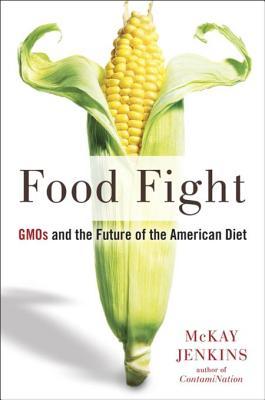
Food fight: gmos and the future of the american diet mckay jenkins.
Gmos aimed at reducing food waste, maximizing crop yields, and improving nutrition are continuing to be developed as part of modern agriculture. Find out what we've learned from the last 25 years of gmos and what we can expect in the future.
Weighing the gmo arguments: for the arguments that have been put forward for the use of gmos in agriculture include: potential benefits for agricultural productivity. Better resistance to stress: if crops can be made more resistant to pest outbreaks, it would reduce the danger of crop failure.
Food food fight the four barriers to the genetically modified–food revolution—and why no one is talking about them. We can encourage a more constructive conversation about the real role.
The playing field for ensuring real food safety by eliminating gmos as crop, animal, and human genetic contaminants is tilted in the favor of the biotechnology industry. And the threat of gmo crops contaminating non-gmo crops is very real.
While food costs have been on the rise over the last decade, gmo foods have helped reduce the cost of food and keep prices lower. According to one scientific analysis, corn-based products would be at least 6% more expensive. Moreover, soybean-based products would be at least 10% more expensive without gmos.
But mckay jenkins, a journalist who spent several years researching gmos, says both of these concerns fundamentally miss the mark.
Post Your Comments: